• Home
  • About
  • My Account
  • Cart
  • Contact
  • Shop

Dignovel Studios

Watercolor Art, Nursery Decor, Science Poster, Abstract Map, Home Decor, Office Decor

  • Print Set
  • Nature
  • Animal
  • Sports
  • Inspirational
  • Science
  • Map

How to Decorate a Nursery With Watercolor Art

August 1, 2026 By Jayla

Designing a nursery is one of the most exciting parts of preparing for a new baby. From choosing the crib and furniture to selecting colors and decorations, every detail can help create a space that feels warm, peaceful, and welcoming.
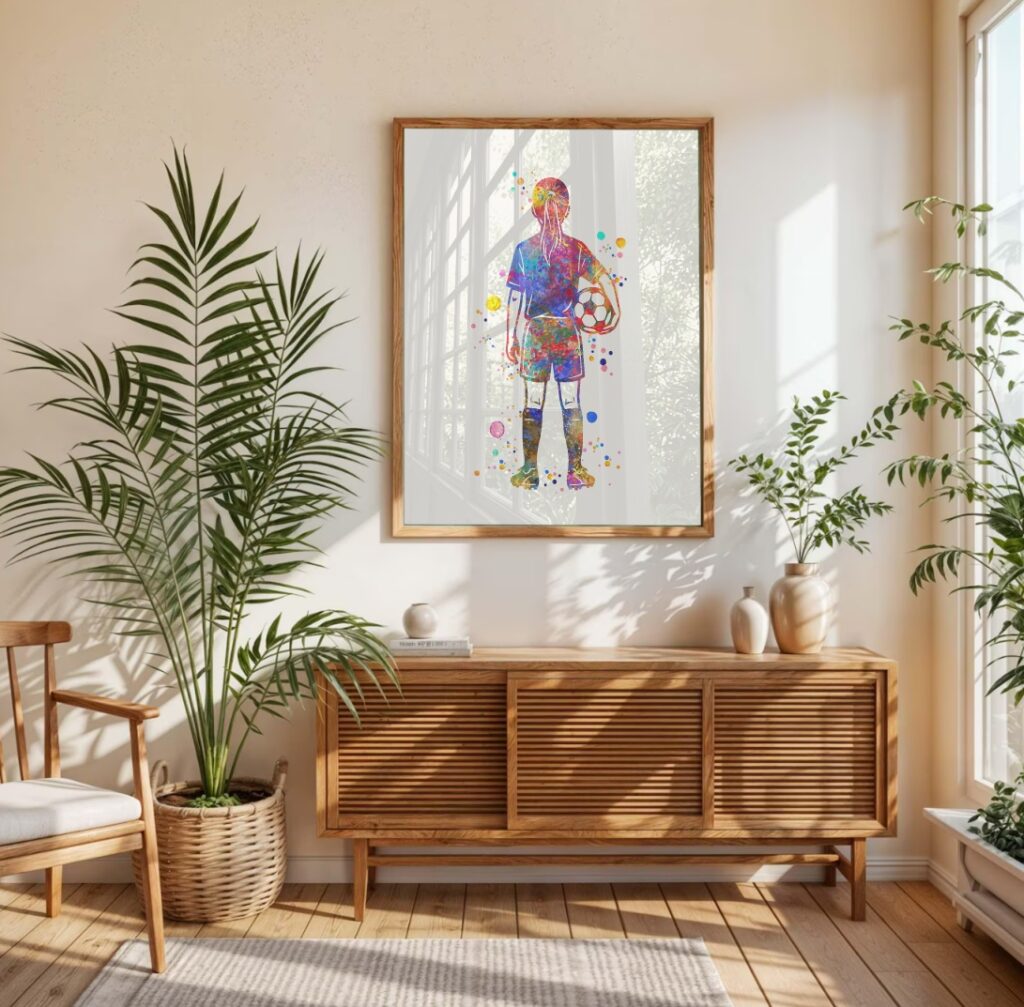
Watercolor art can be an especially beautiful choice for a nursery. Its soft colors, gentle brushstrokes, and artistic character can add personality to the room without making the space feel overwhelming.

Whether you prefer animals, flowers, landscapes, or simple abstract designs, watercolor wall art can work with many different nursery styles.

Here are a few ideas to help you decorate a nursery with watercolor art.

1. Start With a Soft Color Palette

A nursery doesn’t have to be limited to traditional pink or blue.

Soft watercolor artwork works beautifully with gentle, neutral colors such as:

  • Cream
  • Beige
  • Warm white
  • Sage green
  • Dusty blue
  • Soft pink
  • Lavender
  • Pale yellow
  • Light gray

Choose two or three main colors for the room and look for artwork that complements them.

For example, a nursery with cream walls and natural wood furniture might look beautiful with watercolor prints featuring soft greens and earthy tones.

If the room already has a strong color scheme, choose artwork that includes one or two of those colors. This can make the artwork feel like a natural part of the room rather than something added at the last minute.

2. Choose a Theme That Grows With Your Child

Many parents choose a theme for the nursery, but it is worth thinking beyond the first few months.

Instead of choosing decorations that feel extremely baby-specific, consider artwork that your child might continue to enjoy as they grow.

Watercolor animals are a great example.

A watercolor illustration of a bear, rabbit, elephant, giraffe, or woodland animal can be adorable in a baby’s nursery and still look appropriate in a toddler’s room later.

Other timeless themes include:

  • Woodland animals
  • Ocean life
  • Birds
  • Flowers
  • Nature
  • Stars and moon
  • Mountains
  • Forests
  • Botanical illustrations

Choosing artwork with a timeless subject can also make it easier to update the room without replacing everything.

3. Create a Gallery Wall

A gallery wall can turn an empty nursery wall into a focal point.

You don’t need a large collection of expensive artwork. A few carefully selected watercolor prints can create a beautiful display.

For example, you might combine:

A large central print + two smaller prints

or

Three prints with a similar color palette

For a more playful nursery, you could create a collection of different animals.

For a more sophisticated look, consider botanical watercolor paintings or landscapes.

Try to keep some visual consistency between the pieces. Similar colors, frames, or artistic styles can help the collection feel intentional.

4. Consider Above-the-Crib Artwork

The wall above the crib is often the natural focal point of a nursery.

A single larger watercolor print can create a simple and elegant statement.

For example, a large watercolor landscape can bring a peaceful feeling to the room, while a floral or botanical print can add color without becoming too busy.

However, when decorating above a crib, safety should always come first. Artwork and frames should be securely mounted, and anything that could fall or be reached by a child should be positioned appropriately. Follow current nursery safety recommendations and avoid placing loose or unstable objects within a child’s reach.

5. Use Animal Watercolor Prints

Animal artwork is one of the most popular choices for children’s rooms because it can make a nursery feel playful and welcoming.

Consider a collection of watercolor animals such as:

  • Bunny
  • Elephant
  • Bear
  • Fox
  • Giraffe
  • Whale
  • Lion
  • Deer
  • Bird

You can choose realistic watercolor illustrations or more whimsical interpretations.

For a modern nursery, simple animal portraits with lots of white space can create a clean look.

For a woodland-themed nursery, a collection of forest animals can create a more adventurous atmosphere.

6. Add Botanical Watercolor Art

Watercolor botanical prints aren’t only for adult spaces.

Leaves, flowers, branches, and other natural elements can bring a calm and sophisticated feeling to a nursery.

For example, eucalyptus, lavender, wildflowers, or delicate branches can work beautifully with neutral furniture and natural wood.

Botanical artwork is also particularly versatile. If you eventually convert the nursery into a child’s bedroom, guest room, or home office, the artwork may still work with the new decor.

7. Think About the Frame

The frame is part of the artwork.

A beautiful watercolor print can look completely different depending on how it is framed.

For a warm, natural nursery, consider:

  • Light wood frames
  • Natural oak
  • White frames
  • Simple neutral frames

For a more traditional room, a classic frame may work better.

If you’re creating a gallery wall, using the same frame style for several prints can create a more cohesive appearance.

You can also mix different frame sizes while keeping the materials and colors consistent.

8. Don’t Forget About White Space

One common decorating mistake is trying to fill every empty wall.

A nursery doesn’t need to be covered with decorations.

Watercolor art often looks best when it has room to breathe. The white or neutral space around a painting can make its colors and details stand out.

Instead of putting several small pieces on every wall, consider creating one or two focal areas.

A large watercolor print above a dresser or a carefully arranged gallery wall can be much more effective than dozens of unrelated decorations.

9. Match the Artwork to the Furniture

Consider the furniture when choosing artwork.

If the nursery has natural wood furniture, watercolor artwork with earthy colors can create a cohesive look.

If the furniture is white, almost any soft watercolor palette can work.

For a modern nursery with minimalist furniture, simple artwork with plenty of white space may be the best choice.

For a more traditional nursery, detailed botanical or animal illustrations may complement the room beautifully.

Think of the artwork as part of the overall design rather than an isolated decoration.

10. Choose Art That Feels Personal

The best nursery decorations don’t necessarily come from following every design trend.

Choose artwork that means something to your family.

Perhaps you love the ocean and choose a watercolor whale or coastal landscape. Maybe you enjoy hiking and choose a watercolor mountain scene. Or perhaps you simply love flowers and want a collection of botanical paintings.

The nursery is your family’s space. Let the artwork reflect something about the people who live there.

11. Consider a Personalized Watercolor Print

Personalized artwork can make a nursery feel even more special.

Ideas include:

  • Baby’s name
  • Birth date
  • Birthplace
  • Initials
  • A meaningful quote
  • A favorite animal
  • A watercolor illustration of a special location

A personalized watercolor print can also become a keepsake that your child can keep long after the nursery has changed.

12. Think About the Future

Babies grow quickly, and their rooms change with them.

When choosing nursery artwork, consider whether you will still enjoy looking at it several years from now.

A painting doesn’t have to look childish simply because it is displayed in a nursery.

Soft landscapes, botanical artwork, animals, and nature scenes can transition naturally from a nursery to a toddler’s room and eventually to a child’s bedroom.

This can make high-quality artwork a worthwhile investment.

A Simple Formula for a Beautiful Watercolor Nursery

If you’re not sure where to start, try this simple approach:

1. Choose a neutral base.

Start with soft walls and simple furniture.

2. Pick two or three accent colors.

Use colors from the bedding, rug, curtains, or other accessories.

3. Choose one main artwork.

Make it the focal point of the room.

4. Add two or three complementary pieces.

Keep the colors or subject matter connected.

5. Keep the rest simple.

Let the artwork provide personality without overwhelming the room.

Final Thoughts

Watercolor art can be a wonderful way to make a nursery feel warm, peaceful, and personal.

Whether you choose delicate botanical paintings, charming animal illustrations, dreamy landscapes, or personalized artwork, the right pieces can add color and character while maintaining the calm atmosphere that makes a nursery feel special.

Most importantly, don’t feel pressured to create a perfect room. A nursery is ultimately a place for your family—not a showroom.

Choose artwork you love, create a comfortable space, and leave plenty of room for the memories that will eventually become the most important part of the room.
Filed Under: Blog Tagged With: Nursery, Watercolor

What Is a Giclée Print? A Guide to High-Quality Art Prints

August 1, 2026 By Jayla

If you’ve ever searched for high-quality art prints, you may have come across the term giclée print. But what exactly is a giclée print, and why do artists and collectors often consider it a premium choice?

A giclée print is a high-quality reproduction of an original artwork, photograph, or digital image. It is produced using advanced inkjet printing technology designed to reproduce colors, details, and subtle tonal variations with exceptional accuracy.

For watercolor artwork in particular, giclée printing can be an excellent way to reproduce the delicate colors and fine details of the original painting while making the artwork more affordable and accessible.

What Does “Giclée” Mean?

The word giclée comes from the French word gicler, meaning “to spray” or “to squirt.” The name refers to the way an inkjet printer sprays microscopic droplets of ink onto the printing surface.

Unlike traditional commercial printing methods, giclée printing uses a very fine spray of ink and can produce millions of tiny droplets to create detailed and nuanced images.

This technology allows artists to reproduce subtle changes in color and tone that are particularly important for watercolor paintings.

How Is a Giclée Print Made?

The process generally begins with a high-resolution digital image of the original artwork.

For a traditional watercolor painting, the artwork may be professionally photographed or scanned at a very high resolution. The resulting digital file is then carefully prepared for printing.

A professional giclée printer uses multiple ink colors and extremely small ink droplets to reproduce the artwork on a selected fine-art paper or canvas.

The result can capture details such as:

  • Subtle watercolor washes
  • Fine brushstrokes
  • Delicate color transitions
  • Small details in the original artwork
  • Soft highlights and shadows

The paper or canvas is also an important part of the final result. Fine-art papers can provide a texture and appearance that complements the original artwork.

Why Are Giclée Prints Considered High Quality?

One of the main advantages of giclée printing is its ability to reproduce artwork with a high level of detail and color accuracy.

Traditional printing processes may use a relatively limited set of inks or rely on techniques designed primarily for commercial mass production. Giclée printing, by comparison, can use a wider range of inks and very small ink droplets.

This allows the printer to create smooth gradients and subtle variations in color.

For watercolor artwork, this is especially useful because watercolor paintings often contain very delicate transitions between colors.

Giclée Prints vs. Regular Art Prints

Not every art print is a giclée print.

The term “art print” generally describes a reproduction of an artwork, but it does not necessarily describe the printing method or materials used.

A giclée print refers specifically to a particular type of high-resolution inkjet printing process.

The quality of an art print depends on several factors, including:

  • The resolution of the original image
  • The quality of the printer
  • The inks used
  • The printing surface
  • Color management
  • The skill and preparation of the artist or printer

Therefore, simply calling something a “giclée print” does not automatically guarantee that it is a high-quality product. The materials and printing process still matter.

Giclée Prints for Watercolor Art

Watercolor paintings can be particularly challenging to reproduce because of their transparent washes and subtle color variations.

A good reproduction needs to preserve the character of the original painting without making the colors look overly saturated or flat.

High-quality giclée printing can reproduce many of these subtle characteristics.

For example, a watercolor painting of flowers may contain several nearly imperceptible shades of pink, green, and blue. A high-quality giclée print can reproduce these gradual transitions much more effectively than a basic print.

This makes giclée printing a popular choice for botanical art, landscapes, floral paintings, portraits, and other artwork where subtle color variation is important.

What Paper Is Used for Giclée Prints?

The printing surface plays an important role in the appearance of a giclée print.

Many artists choose fine-art papers made from materials such as cotton or high-quality cellulose fibers. These papers can have different textures and finishes, including smooth, matte, and textured surfaces.

For watercolor artwork, a textured fine-art paper can sometimes provide a look that resembles the surface of an original watercolor painting.

The choice ultimately depends on the artwork and the desired appearance.

Are Giclée Prints Expensive?

Giclée prints can cost more to produce than inexpensive mass-market posters, but they are generally designed as higher-quality reproductions.

The price of a finished print depends on factors such as:

  • Print size
  • Paper or canvas
  • Ink quality
  • Printing equipment
  • Artist’s preparation and production costs
  • Whether the print is signed or limited edition
  • Framing and finishing

One of the advantages of giclée printing is that it allows customers to enjoy artwork at a fraction of the cost of purchasing an original painting.

For collectors and homeowners who want the look and character of original artwork without the original-artwork price, a giclée print can be an attractive option.

How Long Do Giclée Prints Last?

The longevity of a giclée print depends on the materials and how it is displayed.

High-quality archival inks and fine-art papers can provide excellent longevity when the print is properly cared for.

Exposure to direct sunlight, humidity, heat, and other environmental conditions can affect artwork over time. For this reason, it is generally best to display valuable prints away from prolonged direct sunlight and in a suitable indoor environment.

If you’re purchasing a giclée print, it’s worth checking the seller’s information about the paper, inks, and recommended care.

Are Giclée Prints Worth It?

For people who appreciate artwork and want a high-quality reproduction, giclée prints can be an excellent choice.

They offer a combination of:

  • High image detail
  • Excellent color reproduction
  • A wide range of paper options
  • The ability to reproduce subtle artwork details
  • More affordable pricing than original artwork

For watercolor paintings, in particular, giclée printing can preserve many of the qualities that make the original artwork appealing.

Final Thoughts

A giclée print is more than simply a picture printed on paper. It is a high-quality reproduction created using advanced inkjet printing technology, carefully selected inks, and an appropriate printing surface.

When produced properly, a giclée print can reproduce the delicate colors, textures, and details of an original watercolor painting with impressive accuracy.

If you’re shopping for watercolor wall art, understanding the difference between standard prints and high-quality giclée prints can help you make a more informed decision.

Whether you’re decorating a living room, bedroom, nursery, office, or gallery wall, a well-made giclée print can bring the beauty of original artwork into your space at a more accessible price.

Filed Under: Blog Tagged With: Giclée, Watercolor

A Few Tips on How to Pursue Happiness in Life

January 28, 2023 By Jayla

Happiness is something almost everyone wants, yet it can sometimes feel surprisingly difficult to find.

We often tell ourselves that we will be happy when we earn more money, buy a nicer house, get a better job, achieve an important goal, or finally have everything under control. But when we reach one of those goals, we often discover that happiness doesn’t stay there for long. Soon, there is another goal to chase.

Perhaps happiness is not a destination that we eventually arrive at. Perhaps it is something we learn to notice and cultivate along the way.

Here are a few simple thoughts about pursuing a happier and more meaningful life.

1. Learn to Appreciate What You Already Have

It is natural to focus on what is missing from our lives. We compare ourselves with other people and notice what they have that we don’t.

Someone has a bigger house. Someone has a more successful career. Someone travels more often. Someone seems to have a perfect family or a perfect life.

But comparison can make even a good life feel inadequate.

Take a moment to notice the things that are already part of your life: a warm meal, a conversation with someone you love, a beautiful sunset, a good book, a walk outside, or simply a quiet moment at the end of a busy day.

Gratitude doesn’t mean that we should stop trying to improve our lives. It simply means that we don’t have to postpone happiness until everything becomes perfect.

2. Spend Time With People Who Matter

Relationships are one of the most important parts of a happy life.

As we get older, life becomes busy. Work, school, responsibilities, and technology can easily take up most of our attention. We may find ourselves communicating with dozens of people online while spending surprisingly little time with the people closest to us.

Make time for the people you care about.

Have dinner together. Take a walk. Call an old friend. Listen to your children. Visit your parents. Put the phone away for a while and have a real conversation.

You may not remember every successful day at work, but you are much more likely to remember the evenings, trips, conversations, and little moments you shared with the people you love.

3. Don’t Wait for the Perfect Moment

Many people postpone happiness.

“I’ll relax after I finish this project.”

“I’ll travel when I have more money.”

“I’ll spend more time with my family when work slows down.”

“I’ll enjoy life when I retire.”

The problem is that life rarely becomes completely calm and predictable.

There will always be another responsibility, another problem, or another goal.

Instead of waiting for the perfect moment, look for small moments of happiness today.

Enjoy your morning coffee. Take a walk without checking your phone. Listen to your favorite music. Watch the sunset. Spend an extra ten minutes talking to someone you love.

A meaningful life is built from ordinary moments.

4. Find Something You Enjoy Doing

Happiness doesn’t always come from achievement. Sometimes it comes simply from doing something that makes you feel alive.

For one person, it might be painting. For another, it might be gardening, cooking, hiking, reading, playing music, photography, or working on a small creative project.

You don’t need to become an expert.

You don’t need to turn your hobby into a business.

You don’t even need to be particularly good at it.

Sometimes the greatest value of a hobby is that you enjoy the process itself.

When you become completely absorbed in something you enjoy, you may stop worrying about the past and the future for a while and simply experience the present moment.

5. Spend More Time in Nature

Modern life keeps us connected to screens almost constantly.

A simple walk outside can be a powerful change of pace.

Look at the trees. Listen to the birds. Feel the sunlight. Notice the clouds. Pay attention to the changing seasons.

You don’t necessarily need a long vacation to experience this. A neighborhood park or a short walk around your community can be enough.

Nature reminds us that the world is much bigger than our daily problems.

6. Stop Comparing Your Life to Someone Else’s

One of the easiest ways to become unhappy is to compare your everyday life with someone else’s highlight reel.

Social media makes this particularly difficult. We see people’s vacations, celebrations, new homes, successful careers, and carefully selected photographs.

What we don’t see are their worries, disappointments, arguments, failures, and difficult days.

Everyone has a different starting point and a different definition of success.

Instead of asking, “Why don’t I have what they have?” try asking:

“Am I becoming a better version of myself?”

Your life doesn’t need to look like anyone else’s to be a good life.

7. Take Care of Your Body

It is difficult to feel our best when we consistently neglect our physical well-being.

Getting enough sleep, moving your body, eating reasonably well, and spending some time outdoors may sound simple, but these habits can have a significant effect on how we experience everyday life.

You don’t need an extreme lifestyle.

A regular walk may be better than an ambitious exercise plan that you abandon after two weeks. A consistent sleep schedule may be more valuable than trying to compensate for exhaustion later.

Small habits, repeated over time, can make a big difference.

8. Learn to Accept That Life Is Imperfect

Pursuing happiness does not mean avoiding sadness, disappointment, failure, or difficult times.

Life will inevitably contain all of these things.

Sometimes we become frustrated because we believe we should always be happy. But sadness is not necessarily a sign that something has gone wrong.

Difficult experiences can teach us patience, resilience, empathy, and appreciation.

A happy life isn’t a life without problems. It is a life in which we learn how to face problems without allowing them to define everything.

9. Do Something Kind for Someone Else

Happiness doesn’t always come from getting more. Sometimes it comes from giving.

Help someone who needs it. Compliment a coworker. Write a thoughtful message to an old friend. Donate something you no longer need. Spend time helping your community.

Small acts of kindness can have a surprisingly large effect—not only on the person receiving them, but also on the person giving them.

We often feel better when we know that we have made someone else’s day a little easier.

10. Give Yourself Permission to Slow Down

We live in a culture that often celebrates being busy.

Being busy can make us feel productive and important, but constant activity isn’t necessarily the same thing as a meaningful life.

Sometimes you need to stop.

Sit quietly. Read a few pages of a book. Paint something just for fun. Drink a cup of tea. Watch the rain. Have a conversation without looking at the clock.

Not every moment needs to be productive.

Some moments are simply meant to be experienced.

Happiness Is Often Found in the Ordinary

Perhaps the most important lesson is that happiness doesn’t always arrive as a major event.

It can be found in a child’s laughter, a friend’s phone call, a favorite song, a home-cooked meal, a walk on a beautiful afternoon, or the feeling of finishing something you’ve worked hard to accomplish.

We naturally look for big moments because they seem important. But when we look back on our lives, we may discover that many of our happiest memories were surprisingly ordinary.

So don’t spend your entire life waiting for happiness to begin.

Notice it when it is already there.

Final Thought

A happy life doesn’t have to be a perfect life.

It can simply be a life in which you appreciate what you have, care about the people around you, pursue things that give you meaning, stay curious about the world, and allow yourself to enjoy the journey.

We may not be able to control everything that happens to us. But we can often choose what we pay attention to, what we value, and how we spend the limited time we have.

And sometimes, happiness begins with something very simple:

Stop for a moment. Look around. There may already be more to appreciate than you realized.

Filed Under: Blog Tagged With: Happiness, Life wisdom

Daily healthy tips: Why sometimes you should skip workout

July 11, 2016 By Jayla

In our more-is-better world, it’s easy to get caught in the overtraining trap. But when it comes to your workouts, it pays to do less. We’re certainly not telling anyone to quit exercising, but your workout schedule should have built-in rest days (and even weeks sometimes!). Not convinced? Here are nine reasons why you shouldn’t go to the gym every single day:

workout

1. Your muscles grow when you rest. Lifting weights creates tiny tears in your muscles that can only repair during rest. This repair process is what makes your muscles stronger than before. While it’s important to work your muscles (hard!) to stimulate muscle-building proteins, it’s equally as important to give your body enough time to recover (usually until you’re no longer sore).

2. Overtraining can cause a weight-loss plateau. You know that working out too often or too intensely can lead to too much weight loss, but most people don’t realize that it can also have the opposite effect. Thanks to your body’s built-in protective mechanisms, overtraining can cause a plateau in your weight loss or even weight gain (unrelated to increased muscle mass).

3. Overtraining can mess with your menstrual cycle and cause amenorrhea, the absence of menstruation. Aunt Flo may not be your favorite visitor, but think of your period as the canary in the coal mine. Its presence indicates that your body thinks it’s in good shape to grow a baby and its absence signifies a problem, especially if it disappears for three months or more. The drop in estrogen can also cause premature bone loss, making you even weaker and more susceptible to injury.

4. Trouble sleeping? You might be overtraining. Needing excessive sleep to fuel your workouts or being unable to sleep, even when you’re very tired, are both indicators that something is wrong.

5. Overtraining can cause mood problems. Exercise can be a potent anti-depressant—studies show it works just as well as medication for mild depression. And we can attest to the mood-boosting power of the runner’s high. But too much exercise can have the opposite effect, causing anxiety over workout schedules and depression from being chronically run down.

6. More exercise = bigger appetite. You don’t need to be a rocket scientist to notice the link between exercise and hunger. The more you train, the more energy your body needs to sustain that exertion and the hungrier you get. Women often fear that cutting back on their cardio will make them gain weight, but that’s not how it works. Your hunger usually decreases in proportion with your lighter workout schedule, so you won’t feel the need to feed your body nearly as much.

7. You’ll feel exhausted… all the time! We all love the great energy burst we get from an awesome workout, but more exercise does not always mean more energy. If your workouts are regularly making you crash in the afternoon or drag through your day because you’re so tired and sore you can barely move, then you’re doing too much. Listen to your body. If it says, “I’m so sore that I dread sitting down to go the bathroom,” the intense Kettlebell session you have planned is not what it needs.

8. Overtraining often leads to burnout. In the end, life is about balance. We all have limited resources—time, energy, money, physical reserves—and spending too much of them on exercise can lead to burnout. It’s better to commit to a sane program that fits in with your schedule and goals than to go all out and want to quit after one month. Exercise is a lifelong pursuit, and it should make you happy. Find a balance that works for you—your body and your life.

9. It eats up your limited free time. Medical problems aside, hitting the gym for lengthy workouts every day is a big time commitment. It’s important to make time for other quality-of-life boosters too, such as hanging out with friends and family, learning something new, treating yourself to manicure, or even catching up on your secret Real Housewives addiction (don’t worry, we won’t tell).

Filed Under: Blog Tagged With: Health, Living style

Site Navigation

  • About
  • Blog
  • Cart
  • Checkout
  • Contact
  • Home
  • My Account
  • Shop

Hours & Contact

8:00 AM to 8:00 PM CST MON – FRI
12:00 PM to 5:00 PM SAT and SUN

orders@dignovel.com

COPYRIGHT © 2026 · DIGNOVEL STUDIOS