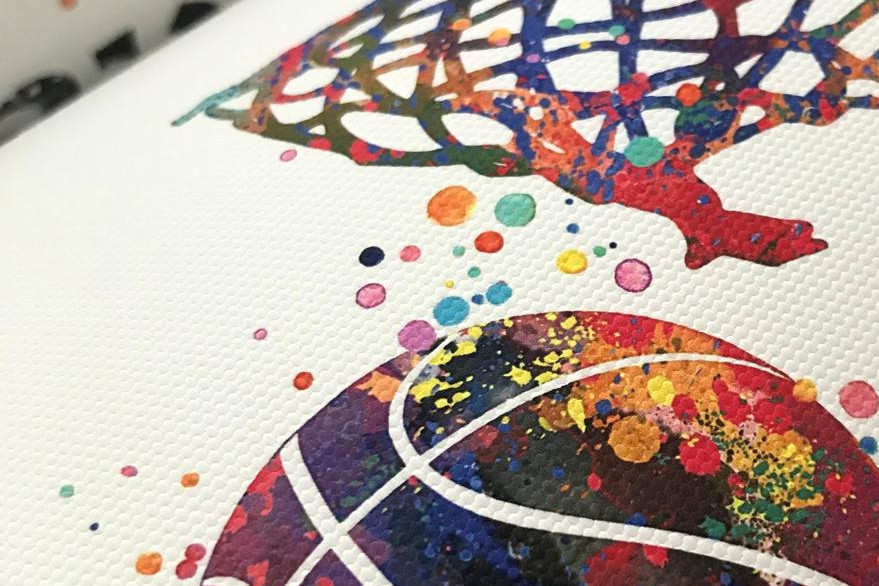
Designing a nursery is one of the most exciting parts of preparing for a new baby. From choosing the crib and furniture to selecting colors and decorations, every detail can help create a space that feels warm, peaceful, and welcoming.
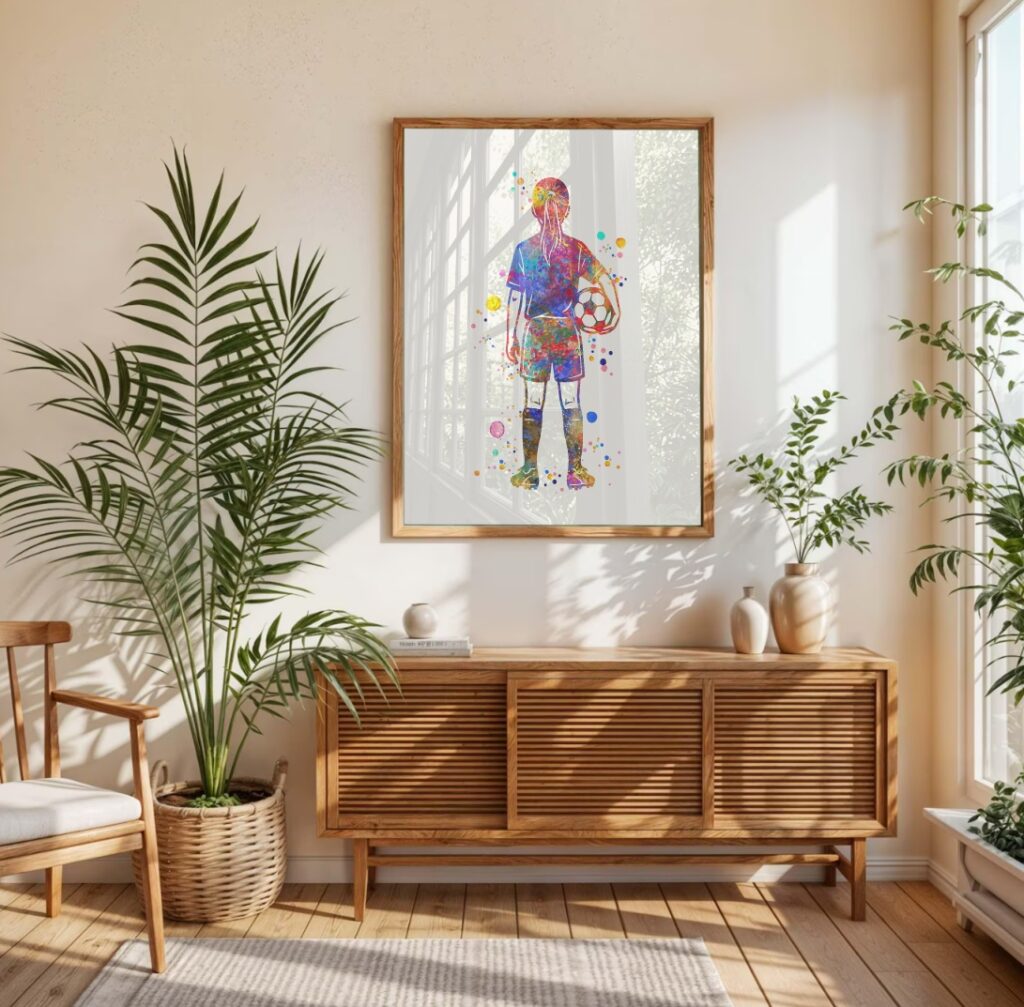
Watercolor art can be an especially beautiful choice for a nursery. Its soft colors, gentle brushstrokes, and artistic character can add personality to the room without making the space feel overwhelming.
Whether you prefer animals, flowers, landscapes, or simple abstract designs, watercolor wall art can work with many different nursery styles.
Here are a few ideas to help you decorate a nursery with watercolor art.
1. Start With a Soft Color Palette
A nursery doesn’t have to be limited to traditional pink or blue.
Soft watercolor artwork works beautifully with gentle, neutral colors such as:
- Cream
- Beige
- Warm white
- Sage green
- Dusty blue
- Soft pink
- Lavender
- Pale yellow
- Light gray
Choose two or three main colors for the room and look for artwork that complements them.
For example, a nursery with cream walls and natural wood furniture might look beautiful with watercolor prints featuring soft greens and earthy tones.
If the room already has a strong color scheme, choose artwork that includes one or two of those colors. This can make the artwork feel like a natural part of the room rather than something added at the last minute.
2. Choose a Theme That Grows With Your Child
Many parents choose a theme for the nursery, but it is worth thinking beyond the first few months.
Instead of choosing decorations that feel extremely baby-specific, consider artwork that your child might continue to enjoy as they grow.
Watercolor animals are a great example.
A watercolor illustration of a bear, rabbit, elephant, giraffe, or woodland animal can be adorable in a baby’s nursery and still look appropriate in a toddler’s room later.
Other timeless themes include:
- Woodland animals
- Ocean life
- Birds
- Flowers
- Nature
- Stars and moon
- Mountains
- Forests
- Botanical illustrations
Choosing artwork with a timeless subject can also make it easier to update the room without replacing everything.
3. Create a Gallery Wall
A gallery wall can turn an empty nursery wall into a focal point.
You don’t need a large collection of expensive artwork. A few carefully selected watercolor prints can create a beautiful display.
For example, you might combine:
A large central print + two smaller prints
or
Three prints with a similar color palette
For a more playful nursery, you could create a collection of different animals.
For a more sophisticated look, consider botanical watercolor paintings or landscapes.
Try to keep some visual consistency between the pieces. Similar colors, frames, or artistic styles can help the collection feel intentional.
4. Consider Above-the-Crib Artwork
The wall above the crib is often the natural focal point of a nursery.
A single larger watercolor print can create a simple and elegant statement.
For example, a large watercolor landscape can bring a peaceful feeling to the room, while a floral or botanical print can add color without becoming too busy.
However, when decorating above a crib, safety should always come first. Artwork and frames should be securely mounted, and anything that could fall or be reached by a child should be positioned appropriately. Follow current nursery safety recommendations and avoid placing loose or unstable objects within a child’s reach.
5. Use Animal Watercolor Prints
Animal artwork is one of the most popular choices for children’s rooms because it can make a nursery feel playful and welcoming.
Consider a collection of watercolor animals such as:
- Bunny
- Elephant
- Bear
- Fox
- Giraffe
- Whale
- Lion
- Deer
- Bird
You can choose realistic watercolor illustrations or more whimsical interpretations.
For a modern nursery, simple animal portraits with lots of white space can create a clean look.
For a woodland-themed nursery, a collection of forest animals can create a more adventurous atmosphere.
6. Add Botanical Watercolor Art
Watercolor botanical prints aren’t only for adult spaces.
Leaves, flowers, branches, and other natural elements can bring a calm and sophisticated feeling to a nursery.
For example, eucalyptus, lavender, wildflowers, or delicate branches can work beautifully with neutral furniture and natural wood.
Botanical artwork is also particularly versatile. If you eventually convert the nursery into a child’s bedroom, guest room, or home office, the artwork may still work with the new decor.
7. Think About the Frame
The frame is part of the artwork.
A beautiful watercolor print can look completely different depending on how it is framed.
For a warm, natural nursery, consider:
- Light wood frames
- Natural oak
- White frames
- Simple neutral frames
For a more traditional room, a classic frame may work better.
If you’re creating a gallery wall, using the same frame style for several prints can create a more cohesive appearance.
You can also mix different frame sizes while keeping the materials and colors consistent.
8. Don’t Forget About White Space
One common decorating mistake is trying to fill every empty wall.
A nursery doesn’t need to be covered with decorations.
Watercolor art often looks best when it has room to breathe. The white or neutral space around a painting can make its colors and details stand out.
Instead of putting several small pieces on every wall, consider creating one or two focal areas.
A large watercolor print above a dresser or a carefully arranged gallery wall can be much more effective than dozens of unrelated decorations.
9. Match the Artwork to the Furniture
Consider the furniture when choosing artwork.
If the nursery has natural wood furniture, watercolor artwork with earthy colors can create a cohesive look.
If the furniture is white, almost any soft watercolor palette can work.
For a modern nursery with minimalist furniture, simple artwork with plenty of white space may be the best choice.
For a more traditional nursery, detailed botanical or animal illustrations may complement the room beautifully.
Think of the artwork as part of the overall design rather than an isolated decoration.
10. Choose Art That Feels Personal
The best nursery decorations don’t necessarily come from following every design trend.
Choose artwork that means something to your family.
Perhaps you love the ocean and choose a watercolor whale or coastal landscape. Maybe you enjoy hiking and choose a watercolor mountain scene. Or perhaps you simply love flowers and want a collection of botanical paintings.
The nursery is your family’s space. Let the artwork reflect something about the people who live there.
11. Consider a Personalized Watercolor Print
Personalized artwork can make a nursery feel even more special.
Ideas include:
- Baby’s name
- Birth date
- Birthplace
- Initials
- A meaningful quote
- A favorite animal
- A watercolor illustration of a special location
A personalized watercolor print can also become a keepsake that your child can keep long after the nursery has changed.
12. Think About the Future
Babies grow quickly, and their rooms change with them.
When choosing nursery artwork, consider whether you will still enjoy looking at it several years from now.
A painting doesn’t have to look childish simply because it is displayed in a nursery.
Soft landscapes, botanical artwork, animals, and nature scenes can transition naturally from a nursery to a toddler’s room and eventually to a child’s bedroom.
This can make high-quality artwork a worthwhile investment.
A Simple Formula for a Beautiful Watercolor Nursery
If you’re not sure where to start, try this simple approach:
1. Choose a neutral base.
Start with soft walls and simple furniture.
2. Pick two or three accent colors.
Use colors from the bedding, rug, curtains, or other accessories.
3. Choose one main artwork.
Make it the focal point of the room.
4. Add two or three complementary pieces.
Keep the colors or subject matter connected.
5. Keep the rest simple.
Let the artwork provide personality without overwhelming the room.
Final Thoughts
Watercolor art can be a wonderful way to make a nursery feel warm, peaceful, and personal.
Whether you choose delicate botanical paintings, charming animal illustrations, dreamy landscapes, or personalized artwork, the right pieces can add color and character while maintaining the calm atmosphere that makes a nursery feel special.
Most importantly, don’t feel pressured to create a perfect room. A nursery is ultimately a place for your family—not a showroom.
Choose artwork you love, create a comfortable space, and leave plenty of room for the memories that will eventually become the most important part of the room.