If you’ve ever searched for high-quality art prints, you may have come across the term giclée print. But what exactly is a giclée print, and why do artists and collectors often consider it a premium choice?
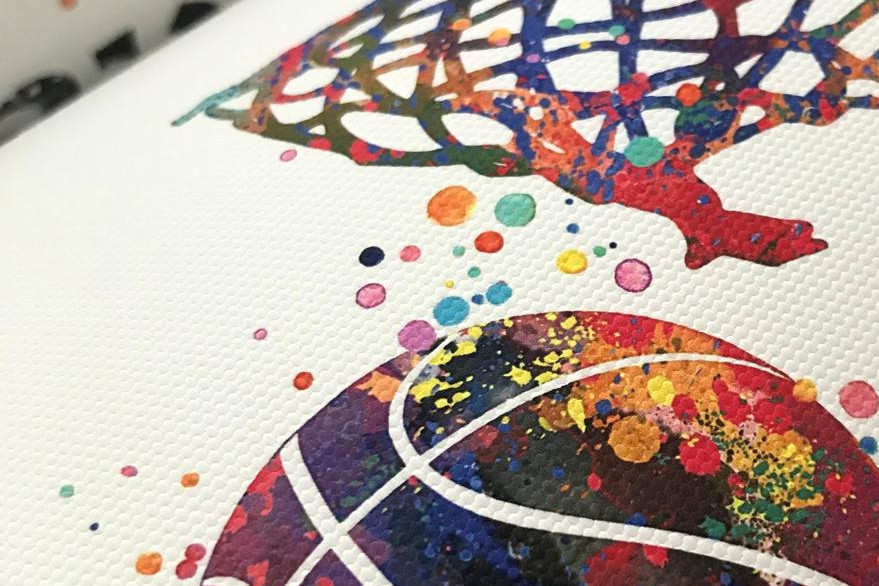
A giclée print is a high-quality reproduction of an original artwork, photograph, or digital image. It is produced using advanced inkjet printing technology designed to reproduce colors, details, and subtle tonal variations with exceptional accuracy.
For watercolor artwork in particular, giclée printing can be an excellent way to reproduce the delicate colors and fine details of the original painting while making the artwork more affordable and accessible.
What Does “Giclée” Mean?
The word giclée comes from the French word gicler, meaning “to spray” or “to squirt.” The name refers to the way an inkjet printer sprays microscopic droplets of ink onto the printing surface.
Unlike traditional commercial printing methods, giclée printing uses a very fine spray of ink and can produce millions of tiny droplets to create detailed and nuanced images.
This technology allows artists to reproduce subtle changes in color and tone that are particularly important for watercolor paintings.
How Is a Giclée Print Made?
The process generally begins with a high-resolution digital image of the original artwork.
For a traditional watercolor painting, the artwork may be professionally photographed or scanned at a very high resolution. The resulting digital file is then carefully prepared for printing.
A professional giclée printer uses multiple ink colors and extremely small ink droplets to reproduce the artwork on a selected fine-art paper or canvas.
The result can capture details such as:
- Subtle watercolor washes
- Fine brushstrokes
- Delicate color transitions
- Small details in the original artwork
- Soft highlights and shadows
The paper or canvas is also an important part of the final result. Fine-art papers can provide a texture and appearance that complements the original artwork.
Why Are Giclée Prints Considered High Quality?
One of the main advantages of giclée printing is its ability to reproduce artwork with a high level of detail and color accuracy.
Traditional printing processes may use a relatively limited set of inks or rely on techniques designed primarily for commercial mass production. Giclée printing, by comparison, can use a wider range of inks and very small ink droplets.
This allows the printer to create smooth gradients and subtle variations in color.
For watercolor artwork, this is especially useful because watercolor paintings often contain very delicate transitions between colors.
Giclée Prints vs. Regular Art Prints
Not every art print is a giclée print.
The term “art print” generally describes a reproduction of an artwork, but it does not necessarily describe the printing method or materials used.
A giclée print refers specifically to a particular type of high-resolution inkjet printing process.
The quality of an art print depends on several factors, including:
- The resolution of the original image
- The quality of the printer
- The inks used
- The printing surface
- Color management
- The skill and preparation of the artist or printer
Therefore, simply calling something a “giclée print” does not automatically guarantee that it is a high-quality product. The materials and printing process still matter.
Giclée Prints for Watercolor Art
Watercolor paintings can be particularly challenging to reproduce because of their transparent washes and subtle color variations.
A good reproduction needs to preserve the character of the original painting without making the colors look overly saturated or flat.
High-quality giclée printing can reproduce many of these subtle characteristics.
For example, a watercolor painting of flowers may contain several nearly imperceptible shades of pink, green, and blue. A high-quality giclée print can reproduce these gradual transitions much more effectively than a basic print.
This makes giclée printing a popular choice for botanical art, landscapes, floral paintings, portraits, and other artwork where subtle color variation is important.
What Paper Is Used for Giclée Prints?
The printing surface plays an important role in the appearance of a giclée print.
Many artists choose fine-art papers made from materials such as cotton or high-quality cellulose fibers. These papers can have different textures and finishes, including smooth, matte, and textured surfaces.
For watercolor artwork, a textured fine-art paper can sometimes provide a look that resembles the surface of an original watercolor painting.
The choice ultimately depends on the artwork and the desired appearance.
Are Giclée Prints Expensive?
Giclée prints can cost more to produce than inexpensive mass-market posters, but they are generally designed as higher-quality reproductions.
The price of a finished print depends on factors such as:
- Print size
- Paper or canvas
- Ink quality
- Printing equipment
- Artist’s preparation and production costs
- Whether the print is signed or limited edition
- Framing and finishing
One of the advantages of giclée printing is that it allows customers to enjoy artwork at a fraction of the cost of purchasing an original painting.
For collectors and homeowners who want the look and character of original artwork without the original-artwork price, a giclée print can be an attractive option.
How Long Do Giclée Prints Last?
The longevity of a giclée print depends on the materials and how it is displayed.
High-quality archival inks and fine-art papers can provide excellent longevity when the print is properly cared for.
Exposure to direct sunlight, humidity, heat, and other environmental conditions can affect artwork over time. For this reason, it is generally best to display valuable prints away from prolonged direct sunlight and in a suitable indoor environment.
If you’re purchasing a giclée print, it’s worth checking the seller’s information about the paper, inks, and recommended care.
Are Giclée Prints Worth It?
For people who appreciate artwork and want a high-quality reproduction, giclée prints can be an excellent choice.
They offer a combination of:
- High image detail
- Excellent color reproduction
- A wide range of paper options
- The ability to reproduce subtle artwork details
- More affordable pricing than original artwork
For watercolor paintings, in particular, giclée printing can preserve many of the qualities that make the original artwork appealing.
Final Thoughts
A giclée print is more than simply a picture printed on paper. It is a high-quality reproduction created using advanced inkjet printing technology, carefully selected inks, and an appropriate printing surface.
When produced properly, a giclée print can reproduce the delicate colors, textures, and details of an original watercolor painting with impressive accuracy.
If you’re shopping for watercolor wall art, understanding the difference between standard prints and high-quality giclée prints can help you make a more informed decision.
Whether you’re decorating a living room, bedroom, nursery, office, or gallery wall, a well-made giclée print can bring the beauty of original artwork into your space at a more accessible price.

